Best Time to Replace Home Windows in 2026?

Time:2026-07-17 Author:Amelia
0%

Replacing home windows is a significant investment that impacts energy efficiency and aesthetics. According to the National Association of Realtors, replacing windows can yield a return on investment of about 73% when selling a home. Understanding when to undertake this project is crucial. So, when is the best time of year to replace home windows?

Industry experts suggest that spring and fall are optimal seasons for window replacement. During these times, weather conditions are favorable for installation. Extreme temperatures in winter or summer can impact the adhesive used in windows. Additionally, contractors often have more availability during the shoulder seasons, which can lead to better pricing and service.

However, timing can also depend on individual circumstances. For instance, if windows are drafty or damaged, immediate replacement is warranted. Homeowners need to reflect on their unique situations and local climate conditions. By weighing these factors, homeowners can make informed decisions that enhance their living spaces.
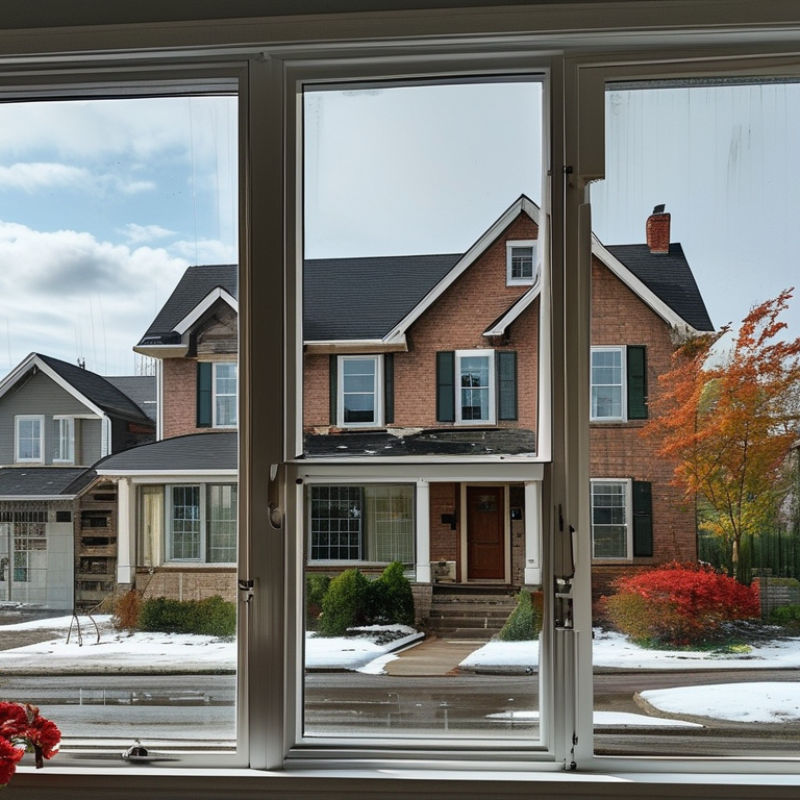
Best Time to Replace Home Windows in 2026?

Best Seasonal Timing for Window Replacement in 2026

When considering the best time to replace windows, seasonal factors play a crucial role. Spring often emerges as a favored choice. The weather is mild, allowing for an efficient installation. Contractors are generally more available, leading to better scheduling flexibility. Additionally, homeowners often want to prepare their homes for summer heat.

Autumn can also be an excellent time for window replacements. Cooler temperatures allow for better adhesion of materials. It’s a strategic time to improve energy efficiency before winter arrives. However, some might rush into decisions without proper planning. They may overlook the necessary weatherization to ensure a seamless installation.

While it’s essential to choose the right season, personal circumstances vary. Not everyone can wait for optimal conditions. Budget constraints or urgent repairs may dictate timing. It's crucial to weigh these factors carefully. Ultimately, ensuring quality work is just as vital as choosing the right season.

Understanding Window Lifespan and When to Replace

When considering the lifespan of home windows, expert recommendations suggest a typical range of 15 to 30 years. Factors influencing this lifespan include material quality, climate conditions, and maintenance. For instance, wooden windows may last about 20 years with regular upkeep, while vinyl windows can endure up to 30 years. However, issues like rotting or warping can arise sooner, stressing the importance of early inspections.

According to the American Window and Door Institute, around 35% of residential energy loss occurs through windows. Homeowners should look for signs of wear, such as drafts or condensation between panes. A window replacement can drastically improve energy efficiency and reduce utility bills. Data from the Department of Energy suggests that replacing old windows can yield savings of 10-25% on heating and cooling costs.

Deciding when to replace is often subjective. It requires balancing financial considerations and potential energy savings. Every home tells a different story, and there’s no uniform timeline for replacement. This emphasizes the value of consulting professionals for tailored advice based on specific circumstances. Understanding the lifespan of your windows can guide you in making informed decisions. Reflecting on your home’s unique needs is crucial for effective planning.

Cost-Benefit Analysis of Replacing Windows in Early 2026

Replacing home windows in early 2026 can be a smart investment. A recent report from the Remodeling 2023 Cost vs. Value study highlights that homeowners can expect a return on investment (ROI) of about 72% when they replace their windows. Energy-efficient windows can significantly lower heating and cooling costs, which is vital as energy prices rise. Various analysis suggests that homeowners can save an average of $400 annually on energy bills with new windows.

Maintenance is essential when considering replacements. Faded frames and cracks indicate it might be time to act. The U.S. Department of Energy reports that windows account for up to 30% of heating and cooling energy use in homes. Aging windows may not only cost more in energy bills but can also decrease comfort and security.

Tip: When evaluating windows, think about energy ratings. Look for ENERGY STAR certifications. Research local rebates and incentives to help offset costs. Small savings can add up over time, particularly if you plan for the long haul. Investing in quality replacement windows can enhance your home’s value and its efficiency, making the decision worthwhile.

Best Time to Replace Home Windows in 2026? - Cost-Benefit Analysis

Parameter Details Estimated Cost ($) Estimated Savings ($/year) Payback Period (Years)
Single-Hung Windows Standard replacement with energy-efficient models 300 75 4
Double-Hung Windows Upgrade to energy-efficient options 500 100 5
Casement Windows Optimal airflow and energy savings 650 110 5.9
Sliding Windows Easy access and energy-efficient 700 90 7.8
Bay Windows Adds space and energy savings 1,200 150 8

Impact of Energy Efficiency Ratings on Replacement Decisions

When considering home window replacements in 2026, energy efficiency ratings are crucial. These ratings directly influence your long-term savings. Windows with higher efficiency ratings can significantly lower heating and cooling costs. This is especially important as energy prices continue to rise.


Choosing windows based on their energy ratings can be overwhelming. Many homeowners feel uncertain about which features truly matter. Look for U-Factor and Solar Heat Gain Coefficient ratings. These factors indicate how well the windows insulate and manage heat.


While higher ratings often mean a larger upfront investment, the potential savings during their lifespan can offset this cost.
It’s essential to weigh the benefits against your budget. Not everyone can afford the top-rated options. Sometimes, a mid-range choice may suit your needs just fine. Reflect on your local climate, home orientation, and personal comfort levels. These considerations might lead you to a more practical decision, rather than just chasing the highest ratings.

Local Climatic Conditions Affecting Window Replacement Timing

When considering the best time to replace home windows in 2026, local climatic conditions play a crucial role. Seasonal weather patterns vary significantly across regions. For instance, areas with severe winters may see delays in installation. Snow and ice can hinder the process, making spring a more favorable option.

In contrast, warm climates may allow for year-round replacements. However, summer heat can cause difficulties, such as adhesive curing too quickly. Homeowners must also consider humidity levels. High humidity may increase chances of mold if windows are not installed properly.

It’s important to assess individual circumstances. Each home is unique, requiring tailored strategies for replacement. Knowing when rain is most likely in your area can guide your choice. Sometimes, it’s worth waiting for optimal conditions rather than rushing into a decision. Factors like temperature fluctuations and precipitation can greatly influence window performance post-installation.

FAQS

: What is the best season for window replacement?

: Spring is often favored due to mild weather and contractor availability.

Why consider autumn for replacing windows?

Autumn offers cooler temperatures, which support better material adhesion for window replacements.

How long do windows typically last?

Windows generally last between 15 to 30 years, depending on material quality and maintenance.

What signs indicate it’s time to replace windows?

Look for drafts, condensation, or visible wear as signals for potential replacement.

How does window replacement affect energy efficiency?

Replacing old windows can save 10-25% on heating and cooling costs, improving overall efficiency.

What local factors impact window replacement timing?

Local weather patterns, like severe winters or high humidity, can affect installation schedules.

Can I replace windows in hot climates?

Yes, but homeowners should be cautious of adhesive curing too quickly in high summer heat.

Why is professional advice important for window replacement?

Every home is unique, so tailored advice helps address specific needs and circumstances effectively.

What should I reflect on before replacing windows?

Consider your budget, urgency, and your home's individual characteristics before making decisions.

Conclusion

When considering "When is the best time of year to replace home windows," the article explores the ideal seasonal timing for window replacement in 2026. It emphasizes that spring and fall typically offer the best weather conditions for installation, minimizing complications associated with extreme temperatures. Additionally, understanding the lifespan of windows is crucial; homeowners should assess wear and tear to determine the right moment for replacement.

The article further delves into the economic implications of replacing windows early in 2026, highlighting the long-term savings associated with energy-efficient models. It also examines how local climatic conditions can influence the timing of replacement decisions, reminding homeowners to consider both regional weather patterns and energy efficiency ratings when making their choices. Overall, the article provides a comprehensive guide for homeowners considering window replacement in the upcoming year.

Amelia

Amelia

Amelia is a seasoned marketing professional with a wealth of expertise in our company’s core offerings. With an unwavering passion for driving growth and innovation, she plays a pivotal role in shaping our marketing strategies and enhancing brand visibility. A key aspect of her responsibilities......